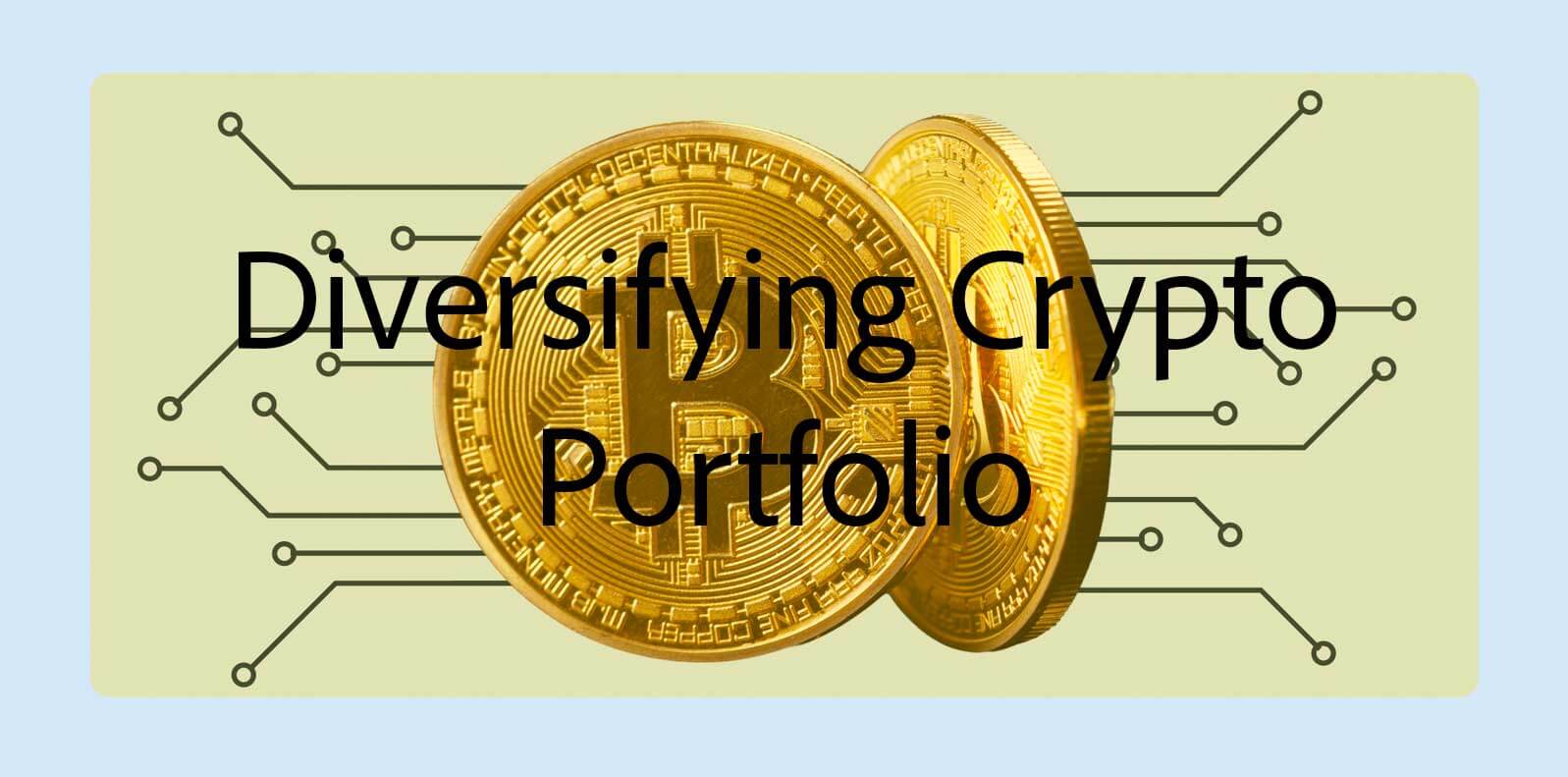
Cryptocurrency حاصل کر لی ہے اہم مقبولیت کے طور پر ایک سرمایہ کاری کے اختیارات ، حالیہ برسوں میں. کے ساتھ ویکیپیڈیا, Ethereum ، اور متعدد altcoins لینے کی توجہ کا مرکز ہے ، یہ کوئی تعجب نہیں ہے سرمایہ کاروں کو دنیا بھر میں flocking رہے ہیں کرنے کے لئے اس ابھرتی ہوئی مارکیٹ ہے. تاہم, جبکہ ممکنہ واپسی کی اپیل کر رہے ہیں ، اتار چڑھاؤ اور خطرات کے کریپٹو مارکیٹوں میں بھی ایک اہم تشویش کے لئے بہت سے سرمایہ کاروں. میں سے ایک سب سے زیادہ مؤثر طریقوں کو کم کرنے کے لئے ان خطرات کے ذریعے ہے کریپٹو پورٹ فولیو کے تنوع آپ کی مدد کے لئے متنوع آپ کریپٹو پورٹ فولیو.
اس میں ایک جامع گائیڈ ، ہم کریں گے میں delve سب کچھ آپ کو جاننے کی ضرورت کے بارے میں متنوع کریپٹو پورٹ فولیو. سے افہام و تفہیم کی بنیادی باتیں سیکھنے کے لئے موثر حکمت عملی, ہم کریں گے بھی شیئر قابل عمل تجاویز کے لئے دونوں beginners اور تجربہ کار سرمایہ کاروں کے لئے تلاش کو بہتر بنانے کے ان کے محکموں کے طویل المیعاد کامیابی کے لئے. یاد رکھیں ، اہم کرنے کے لئے ایک کامیاب سرمایہ کاری کے نقطہ نظر کو متنوع کرنے کے لئے کریپٹو پورٹ فولیو.
کیا کریپٹو پورٹ فولیو کے تنوع?
کریپٹو پورٹ فولیو کے تنوع کے پریکٹس سے مراد تقسیم آپ کی سرمایہ کاری بھر میں مختلف اقسام کی cryptocurrencies کی بجائے پر توجہ مرکوز ، ایک سککا یا ٹوکن. بنیادی مقصد کے تنوع کو کم کرنا ہے سرمایہ کاری خطرے کو یقینی بنانے کی طرف اپنے اثاثے ہیں نہ حد سے زیادہ انحصار کی کارکردگی پر صرف ایک cryptocurrency.
مثال کے طور پر, اگر آپ کے لئے تھے صرف میں سرمایہ کاری ویکیپیڈیا (BTC), آپ کو ہو جائے گا مکمل طور پر انحصار ویکیپیڈیا کی مارکیٹ کی کارکردگی. تاہم, کی طرف سے متنوع آپ کے پورٹ فولیو کے ساتھ دیگر ڈیجیٹل اثاثوں کی طرح Ethereum (ETH), سولانا (سورج), اور stablecoins اس طرح کے طور پر USDT, آپ کر سکتے ہیں کو کم سے کم ممکنہ نقصانات میں واقعہ ہے کہ ایک cryptocurrency دیکھتا ہے ایک تیزی سے کمی.
بالآخر مقصد ہے کہ یقینی بنانے کے لئے آپ کر سکتے ہیں مؤثر طریقے سے متنوع کریپٹو پورٹ فولیو اور خطرات کو کم کرتے ہوئے جدوجہد میں ترقی کے لئے آپ کی سرمایہ کاری.
یہی وجہ ہے تنوع میں اہم کریپٹو?
The cryptocurrency مارکیٹ میں بدنام ہے اس کے لئے اعلی اتار چڑھاؤکے ساتھ ، قیمت کے سککوں اکثر کا سامنا سخت اتار چڑھاو کے اندر اندر منٹ یا گھنٹے. یہ فطری اتار چڑھاؤ کا مطلب ہے کہ سرمایہ کاروں کے خطرے کا سامنا اہم نقصان اگر وہ اپنی توجہ مرکوز سرمایہ کاری میں ایک cryptocurrency.
پورٹ فولیو کے تنوع ڈرامے میں ایک اہم کردار رسک مینجمنٹ. کے پھیلنے کی طرف سے سرمایہ کاری بھر میں مختلف ڈیجیٹل اثاثوں ، آپ کر سکتے ہیں کے اثرات کو کم قیمت جھولوں میں انفرادی سکے ، اس طرح توازن مجموعی طور پر خطرے اور ممکنہ واپسی کے اپنے پورٹ فولیو. بس کے طور پر تنوع کے کام میں روایتی اسٹاک مارکیٹس میں ، یہ ثابت کرتا ہے میں یکساں طور پر مؤثر کریپٹو مارکیٹوں.
کے لئے موثر حکمت عملی متنوع آپ کریپٹو پورٹ فولیو
کو سمجھنے کے بعد اہمیت کے تنوع ، یہ وقت دریافت کرنے کے لئے مؤثر حکمت عملی آپ کو لاگو کر سکتے ہیں ، کی تعمیر کے لئے ایک اچھی طرح سے متوازن کریپٹو پورٹ فولیو. مندرجہ ذیل حکمت عملی پیش کرنے کے لئے مختلف طریقوں کو یقینی بنانے کے آپ کی سرمایہ کاری میں پھیل جاتے ہیں مختلف اثاثوں کو بڑھانے کے استحکام اور مجموعی خطرے کو کم کرنے.
1. متنوع بنانے کے ساتھ اہم Cryptocurrencies (ویکیپیڈیا اور Ethereum)
ویکیپیڈیا (BTC) – بادشاہ کی Cryptocurrencies
ویکیپیڈیا رہتا ہے سب سے زیادہ غالب cryptocurrency مارکیٹ میں اضافہ کے باوجود متعدد altcoins, یہ اب بھی غور کی بنیاد کسی کریپٹو پورٹ فولیو. کے طور پر سب سے پہلے cryptocurrency کبھی پیدا, ویکیپیڈیا کو برقرار رکھا ہے اس کی پوزیشن کے طور پر ایک "دکان کی قیمت" اور ایک انتہائی قابل اعتماد اثاثہ ہے. اگرچہ ویکیپیڈیا کی قیمت کیا جا سکتا مستحکم, یہ اکثر کے طور پر دیکھا محفوظ پناہ گاہ اثاثہ جات کے مقابلے میں دیگر, riskier cryptocurrencies.
Ethereum (ETH) – اسمارٹ معاہدہ پلیٹ فارم
Ethereum لئے جانا جاتا ہے ، اس کے سمارٹ معاہدے کی صلاحیتوں ، کی اجازت دیتا ہے ڈویلپرز بنانے کے لئے وکندریقرت ایپلی کیشنز (dApps) پر اس blockchain. یہ بھی ایک اہم کردار ادا کرتا میں بڑھتی ہوئی وکندریقرت خزانہ (DeFi) کے شعبے اور NFTs (غیر fungible ٹوکن). Ethereum کی افادیت اور اس کی بڑے پیمانے پر ماحولیاتی نظام یہ ایک مضبوط مدمقابل میں کسی بھی متنوع کریپٹو پورٹ فولیو. انہوں نے مزید کہا کی طرف سے ETH کرنے کے لئے آپ کی ہولڈنگز ، آپ کی نمائش کو حاصل کرنے کے لئے دوسرا سب سے بڑا cryptocurrency کی طرف سے مارکیٹ کی ٹوپی بھی ، جبکہ میں ٹیپ Ethereum کی وسیع پیمانے پر استعمال کے مقدمات.
2. انہوں نے مزید کہا Altcoins کے ساتھ اعلی ترقی کی صلاحیت
سولانا (سورج) – اعلی-رفتار Blockchain
سولانا نے حاصل کی توجہ کے لئے اس کی صلاحیت کے لین دین پر عملدرآمد کرنے میں اعلی رفتار اور کم اخراجات کے مقابلے میں Ethereum. سولانا کے طور پر دیکھا جاتا ہے ایک مضبوط مدمقابل کے لئے Ethereum, خاص طور پر کے ساتھ اس کی بڑھتی ہوئی موجودگی میں DeFi اور NFT رستہ ہے. کے ساتھ اس کی تکنیکی فوائد ، سرمایہ کاری میں سولانا کی اجازت دیتا ہے آپ کو حصہ لینے کے لئے میں اس کی تیز رفتار ترقی ، جس میں مدد کر سکتے ہیں آپ کے پورٹ فولیو کو متنوع بنانے کی طرف سے شامل کرنے کے لئے کی نمائش ایک blockchain فراہم کرتا ہے کہ اسکیل ایبلٹی اور رفتار.
Cardano (ADA) – ایک تحقیق پر مبنی نقطہ نظر
Cardano باہر کھڑا ہے کے طور پر ایک blockchain کہ پلیٹ فارم ترجیح تحقیق کی بنیاد پر ترقی. کے ساتھ اس پر توجہ مرکوز کی سیکورٹی ، پائیداری ، اور اسکیل ایبلٹی ، Cardano کرشن حاصل کر رہا ہے کے طور پر کے لئے ایک متبادل کے Ethereum. یہ ہے ایک مثالی کے لئے تلاش کر ان لوگوں کے لئے ایک blockchain فراہم کرتا ہے کہ ایک سائنسی نقطہ نظر کی حمایت کرنے کے لئے ہوشیار معاہدوں اور وکندریقرت ایپلی کیشنز.
Polkadot (ڈاٹ) – کے درمیان انٹرآپریبلٹی Blockchains
Polkadot کی اجازت دیتا ہے مختلف blockchains بات چیت کرنے کے لئے ایک دوسرے کے ساتھ پیدا کرنے ، ایک متحد پلیٹ فارم پروان چڑھاتا ہے کہ انٹرآپریبلٹی. کے طور پر مطالبہ کے لئے کراس کے سلسلہ مطابقت اگتا ہے, Polkadot کی صلاحیت مربوط کرنے کے لئے ایک سے زیادہ blockchain نیٹ ورک کے عہدوں کے طور پر یہ ایک قابل قدر اضافہ کرنے کے لئے ایک متنوع کریپٹو پورٹ فولیو.
3. استعمال Stablecoins کو کم کرنے کے اتار چڑھاؤ خطرے
Stablecoins کی طرح تار (USDT) اور امریکی ڈالر کے سکے (USDC) ہیں cryptocurrencies ہیں کہ لگایا فئیےٹ کرنسیوں, اس طرح کے طور پر امریکی ڈالر. جبکہ stablecoins کی پیشکش نہیں کرتے ، ایک ہی دھماکہ خیز ترقی کی صلاحیت کے طور پر ویکیپیڈیا یا altcoins, وہ فراہم استحکام کے اوقات میں مارکیٹ استرتا.
میں سرمایہ کاری stablecoins کر سکتے ہیں کو کم کرنے میں مدد مجموعی طور پر اتار چڑھاؤ کے اپنے کریپٹو پورٹ فولیو. اس کے علاوہ, stablecoins کر سکتے ہیں لیکویڈیٹی فراہم آسان بنانے کے ، آپ کے لئے منتقل کرنے کے لئے فنڈز کے درمیان مختلف کریپٹو تبادلے میں یا مزید مستحکم اثاثوں جب صحیح وقت.
4. متنوع بھر میں مختلف کریپٹو شعبوں (DeFi, NFTs, وغیرہ.)
DeFi (وکندریقرت فنانس)
DeFi کا راستہ انقلاب ہے مالیاتی خدمات کی پیشکش کر رہے ہیں کی طرف سے decentralizing روایتی بینکاری کے افعال اس طرح کے طور پر قرضے ، قرضوں کے حصول اور ٹریڈنگ. بہت سے DeFi ٹوکن کی طرح Aave (AAVE) اور Uniswap (UNI)نے مقبولیت حاصل کر لی حالیہ برسوں میں. سمیت ان کے ٹوکن میں آپ کے پورٹ فولیو فراہم کرتا ہے نمائش کے لئے ایک جدید شعبے سکتا ہے کہ کو دیکھنے کے بڑے پیمانے پر ترقی کے اگلے چند سالوں میں.
NFTs (غیر Fungible ٹوکن)
اس NFT مارکیٹ کی مقبولیت میں پھٹا حالیہ برسوں میں ، کے ساتھ ڈیجیٹل آرٹ, سنگرہنتا ، اور مجازی سامان بننے کے قیمتی اثاثوں. NFTs منفرد ہیں ڈیجیٹل سکتے ہیں کہ اثاثوں کی نمائندگی سے کچھ کے لئے فن موسیقی, مجازی رئیل اسٹیٹ اور یہاں تک کہ کھیل میں اشیاء. میں تنوع کے NFTs کر سکتے ہیں پیش کرتے ہیں آپ کی نمائش کرنے کے لئے ایک تیزی سے بڑھتی ہوئی مارکیٹ ہے کی تشکیل نو کا طریقہ ہم کو خبر ملکیت اور تخلیقی صلاحیتوں میں ڈیجیٹل دنیا.
5. متنوع بنانے کے ساتھ چھوٹے ٹوپی Cryptocurrencies
جبکہ بڑے ٹوپی cryptocurrencies کی طرح Bitcoin اور Ethereum مقبول انتخاب ہیں کے لئے کسی بھی پورٹ فولیو, چھوٹے ٹوپی سکے فراہم کر سکتے ہیں زیادہ سے زیادہ مواقع کی ترقی کے لئے. ان cryptocurrencies اکثر نظر انداز کیا لیکن اعلی صلاحیت کے لئے توسیع.
تاہم, سرمایہ کاری میں چھوٹے ٹوپی سککوں کے ساتھ آتا ہے اس کے اپنے خطرات. ان منصوبوں کے بہت سے نہیں ہو سکتا کے طور پر کے طور پر قائم ویکیپیڈیا یا Ethereum ، اور ان کی قدر کر سکتے ہیں بیتہاشا اتار چڑھاو. تاہم, کے ساتھ مناسب تحقیق اور وجہ سے ابیم ، چھوٹے ٹوپی سکے ادا کر سکتے ہیں ایک اہم کردار میں اپنے پورٹ فولیو کو متنوع اور فراہم کرنے کے کافی منافع.
کس طرح تعمیر کرنے کے لئے ایک متنوع کریپٹو پورٹ فولیو
مرحلہ 1: کی وضاحت آپ کے سرمایہ کاری کے مقاصد
تم سے پہلے شروع تنوع آپ کے کریپٹو پورٹ فولیو, یہ ضروری وضاحت کرنے کے لئے آپ کی سرمایہ کاری کے مقاصد. ہیں آپ کے لئے سرمایہ کاری طویل مدتی یا تلاش مختصر مدت کے منافع? افہام و تفہیم کے اپنے مالی مقاصد میں مدد ملے گی آپ کا فیصلہ مناسب مختص اثاثوں کے اندر اندر آپ کے پورٹ فولیو.
مرحلہ 2: فیصلہ تناسب کے لئے ہر اثاثہ
پر منحصر ہے ، آپ کی سرمایہ کاری کے مقاصد ، مختص صحیح تناسب ہر ایک اثاثہ کے لئے میں آپ کے پورٹ فولیو. مثال کے طور پر, ہو سکتا ہے کہ آپ مختص کی 50 ٪ کے لئے اپنے پورٹ فولیو ویکیپیڈیا اور Ethereum, کے لئے 30 ٪ درمیانے ٹوپی altcoins, اور 20% کرنے کے لئے stablecoins استحکام کے لئے.
مرحلہ 3: متنوع بنانے کے ساتھ مختلف اثاثہ جات کی اقسام
ہیں کو یقینی بنانے کے متنوع بھر میں مختلف شعبوں کے طور پر DeFi, NFTsاور مختلف blockchain پلیٹ فارم کی طرح Ethereum, سولانا ، یا Polkadot. اس حکمت عملی میں مدد ملتی ہے باہر پھیلانے کے لئے آپ کی نمائش کو کم کر دیتا کے ساتھ منسلک خطرات کے کسی بھی ایک منصوبے یا مارکیٹ کے علاقے.
مرحلہ 4: Rebalance آپ کے پورٹ فولیو باقاعدگی سے
اس کریپٹو مارکیٹ انتہائی متحرک, تو یہ اہم ہے کے لئے rebalance آپ کے پورٹ فولیو وقفے وقفے سے. اس کا مطلب یہ ہے کو ایڈجسٹ کرنے کے اپنے ہولڈنگز کی بنیاد پر تبدیلیاں ، مارکیٹ میں نئی پیش رفت میں کریپٹو جگہ, اور شفٹوں میں اپنے سرمایہ کاری کے مقاصد.
خطرات کے تنوع کے ایک کریپٹو پورٹ فولیو
جبکہ تنوع ہے ایک مؤثر حکمت عملی, یہ اہم آگاہ کرنے کے ممکنہ خطرات کے ساتھ منسلک کیا جاتا ہے:
- مارکیٹ میں اتار چڑھاؤ: کے باوجود تنوع ، کریپٹو مارکیٹ میں انتہائی غیر مستحکم رہتا ہے. قیمتوں کو تبدیل کر سکتے ہیں تیزی سے, اور قیمت آپ کے پورٹ فولیو کر سکتے ہیں نمایاں طور پر اتار چڑھاو.
- ریگولیٹری خطرات: Cryptocurrency ریگولیشن ہوتی ہے ملک سے ملک میں اور کر سکتے ہیں نمایاں طور پر اثر مارکیٹ کے حالات.
- نجی معلومات کی حفاظتی خطرات: کچھ خفیہ منصوبوں ہو سکتا خطرات سے متعلق صارف کے ڈیٹا کی رازداری کی یا سیکورٹی کی خلاف ورزیوں.
اختتام
تنوع آپ کے کریپٹو پورٹ فولیو ایک اہم حکمت عملی کے انتظام کے لئے خطرہ اور اصلاح کے طویل مدتی واپسی. تقسیم کی طرف سے آپ کی سرمایہ کاری کے اس پار اہم cryptocurrencies کی طرح Bitcoin اور Ethereum کے ساتھ ساتھ ذہین altcoins اور stablecoins, آپ کر سکتے ہیں کے اثرات کو کم سے کم ، مارکیٹ کے اتار چڑھاؤ اور بہتر بنانے کے آپ کے پورٹ فولیو کے استحکام.
یاد رکھیں ، اہم کرنے کے لئے کامیاب تنوع ہے ، تحقیق, توازن, اور متواتر ایڈجسٹمنٹ. چاہے آپ ایک ابتدائی یا ایک تجربہ کار سرمایہ کار, عمارت کی ایک متنوع پورٹ فولیو کی مدد کر سکتے ہیں آپ کو موسم کے اتار چڑھاو کے کریپٹو مارکیٹ پوزیشننگ کے لئے اپنے آپ کو مستقبل کی ترقی.
یہاں سے کچھ ہیں سب سے بہتر ہے کہ بروکرز کی پیشکش تک رسائی کے لئے ایک وسیع رینج کی cryptocurrencies ، کے طور پر اچھی طرح سے کے طور پر اعلی درجے کی ٹریڈنگ ٹولز کی مدد کرنے کے لئے آپ کو متنوع بنانے اور انتظام آپ کریپٹو پورٹ فولیو:
- AvaTrade – AvaTrade ہے ایک قابل اعتماد پلیٹ فارم کے ساتھ مضبوط کریپٹو ٹریڈنگ کے اختیارات. AvaTrade کے ساتھ, آپ کر سکتے ہیں آسانی سے آپ کے پورٹ فولیو کو متنوع بنانے کی طرف سے ٹریڈنگ کی ایک قسم کے مقبول cryptocurrencies سمیت ویکیپیڈیا, Ethereum, اور زیادہ. ان بدیہی پلیٹ فارم اور جامع تعلیمی وسائل کے لئے یہ مثالی بنانے کے دونوں ابتدائی اور تجربہ کار تاجروں.
- DooPrime – DooPrime فراہم کرتا ہے ایک وسیع رینج کی cryptocurrencies اور دیگر اثاثہ کلاس. ان کے پلیٹ فارم کے لئے جانا جاتا ہے اس اعلی درجے کی ٹریڈنگ خصوصیات اور تنگ اسپریڈز بنانے کے لئے ایک بہترین انتخاب تلاش کر رہے تاجروں کو متنوع کرنے کے لئے اور خطرے کا انتظام کرنے میں مؤثر طریقے سے مستحکم کریپٹو مارکیٹ.
- پیش رفت – پیش رفت ہے ایک بروکر کے باہر کھڑا ہے کہ کی وجہ سے اس کے محفوظ, صارف کے دوستانہ انٹرفیس اور ایک وسیع رینج کی cryptocurrencies. چاہے آپ ایک ابتدائی یا ایک حامی پیش رفت فراہم کرتا ہے ، فورم کے اوزار اور ضروری وسائل کو متنوع کرنے کے لئے آپ کے کریپٹو پورٹ فولیو مؤثر طریقے سے.
- Exness – Exness کے لئے جانا جاتا ہے اس کے روزہ اور قابل اعتماد ٹریڈنگ کے ماحول. کی ایک قسم کے ساتھ کریپٹو جوڑوں دستیاب Exness کی اجازت دیتا ہے آپ کو پیدا کرنے کے لئے ایک متنوع پورٹ فولیو کے ساتھ آسانی سے. پلیٹ فارم بھی فراہم کرتا ہے کے میں گہرائی سے تجزیہ اور حمایت کو یقینی بنانے کے لئے کہ آپ کو باخبر فیصلے کریں ۔
ٹریڈنگ شروع اعتماد کے ساتھ آج!
حق کا انتخاب بروکر کی طرف پہلا قدم عمارت ایک کامیاب اور متنوع کریپٹو پورٹ فولیو. ہر ایک کے بروکرز مندرجہ بالا کی ایک رینج پیش کرتا ٹولز ، وسائل ، اور مارکیٹ تک رسائی میں مدد کے لئے آپ کو کامیاب. چاہے آپ صرف شروع کرنے یا تلاش کرنے کے لئے کو بڑھانے کے اپنے ٹریڈنگ کی حکمت عملی, یہ بروکرز فراہم کرتے ہیں آپ کی ضرورت ہے سب کے لئے خطرے کا انتظام اور مواقع سے فائدہ اٹھاتے میں متحرک کریپٹو مارکیٹ.
آج سائن اپ کریں میں سے ایک کے ساتھ بروکرز کے مندرجہ بالا اور لے کی طرف پہلا قدم عمارت اپنے متنوع کریپٹو پورٹ فولیو. خوش ٹریڈنگ!
ڈس کلیمر: ٹریڈنگ cryptocurrencies خواہ خطرہ شامل ہے اور اس کے لئے موزوں نہیں ہو سکتا ، تمام سرمایہ کاروں. براہ کرم یقینی بنائیں کہ آپ خطرات کو سمجھنے ملوث شامل کرنے سے پہلے میں کریپٹو ٹریڈنگ.